Navigating Cancer: Empowering Patients Through Awareness, Support, and Research
In a world where cancer continues to affect countless lives, unlocking knowledge about this devastating disease can be our greatest weapon. The term 'cancer' doesn't merely imply a diagnosis; it unveils a multitude of struggles, stories, and triumphs. From understanding the basics of malignancy to connecting with effective cancer support groups, this blog aims to empower patients and their families through comprehensive cancer awareness. Are you ready to embark on a journey that might transform how you view this illness?
As we dive deeper into the realm of oncology, it's vital to understand what cancer truly is. At its core, cancer involves the uncontrolled growth of cells, which can form a tumor or penetrate other tissues. Whether it's carcinoma, sarcoma, or any other form, being informed about the symptoms and prognosis is crucial for early detection and effective treatment. What would you do if you faced a diagnosis like this? Gathering health information not only prepares you for the battle ahead but can also arm you with the necessary tools to communicate effectively with healthcare professionals.
The psychological toll of a cancer diagnosis can be as challenging as the physical toll. Mental health and well-being often take a back seat in this fight, but they play an essential role in the recovery process. Have you considered how your mindset can influence your treatment journey? Engaging in therapy, whether through counseling or support groups, can provide a nurturing environment for patients and their families. Let’s remember that survivors don't just fight for themselves; they pave the way for advocacy and awareness for future generations.
Once you've gathered knowledge about your condition, the next step is to consider your options. Oncology is advancing every day, offering various treatment avenues from chemotherapy and radiation therapy to immunotherapy and alternative medicine. But how do you decide which is right for you? Participating in clinical trials can also lead to breakthroughs and pave the way for improved therapy options. This journey is not one to embark on alone; community support can guide you as you navigate through these choices, ensuring that you feel empowered and informed every step of the way.
In closing, embracing cancer awareness and effective support is not just about battling illness; it’s about advocating for the life you want. From lifestyle changes to palliative care, every decision you make can influence your trajectory. Are you ready to take charge of your health? Remember, knowledge is power, and it’s through understanding that we can unlock a path towards hope and healing. Start your journey with health tips tailored to your needs and connect with others who share your struggles. Survivorship starts with awareness—let’s unlock it together.
Empowering Journeys: The Role of Advocacy and Community in Cancer Care
In the realm of oncology, navigating a cancer diagnosis can often feel like wandering through a dense fog. The uncertainty of tumors, malignancies, and the intricacies of different types of carcinomas can be overwhelming. Yet, amidst this haze, there lies a beacon of hope in the form of patient advocacy and community support. This journey is not a solitary one; with every step taken, there is an opportunity to empower not only oneself but also others traveling a similar path. The importance of community in cancer care cannot be overstated, as it serves as the backbone for emotional, mental, and practical support, transforming fear into strength and isolation into connection.
Have you ever pondered what the word 'advocacy' signifies in the context of cancer? It stretches beyond mere support; it embodies action, education, and the relentless pursuit of effective treatments and resources for those affected by cancer. Advocating for your needs can mean anything from understanding your diagnosis and its symptoms to exploring medical advice on therapies like chemotherapy or radiation therapy. Engaging in cancer awareness, whether through health blogs, workshops, or support groups, becomes a powerful tool for both patients and their loved ones. Remember, each conversation can spark a transformation, instilling confidence and promoting well-being during some of life’s toughest moments.
A compelling quote by Audre Lorde resonates perfectly here: 'Caring for myself is not self-indulgence, it is self-preservation, and that is an act of political warfare.' This captures the essence of self-advocacy during health challenges. It encourages patients to prioritize not only their physical health but also their mental health, seeking necessary support through therapy and community. Being part of a cancer support group can offer solace and understanding, and create a platform for sharing experiences, health tips, and coping strategies. When patients unite, they forge an unbreakable bond in their journey toward survivorship and remission.
Imagine attending a clinical trial for a new immunotherapy that could take you a step closer to beating your malignancy. It’s moments like these that showcase the importance of medical research in finding new treatments, leading to alternative medicine options and lifestyle changes that accompany rigorous treatments. Advocacy plays a vital role in informing patients about these advancements and available resources. As society becomes more aware of cancer’s diverse challenges, the call for increased funding for research and advocacy grows louder. Together we can push for innovations that save lives and improve quality of life for individuals battling cancer.
In conclusion, the role of community in cancer care extends far beyond support groups or medical consultations; it fosters resilience, hope, and empowerment. Whether it’s organizing a fundraising event, participating in awareness campaigns, or even blogging about your experiences, your voice is a potent tool. So, let’s connect, share, and empower one another in this powerful journey of cancer care. After all, every story shared in community support adds another brushstroke to a collective masterpiece of hope and healing. Are you ready to join the movement and make a difference?
From Diagnosis to Remission: Essential Insights and Resources for Patients
Receiving a diagnosis of cancer can feel like the ground has been pulled from beneath your feet. Whether it is a specific type of malignancy like carcinoma or a more general term such as tumors or tumors, the emotional toll can be overwhelming. It is important to remember that you are not alone in this journey; there is an entire community of individuals and resources that stand ready to support you. In this blog post, we will explore essential insights and resources that can empower you as you navigate the often tumultuous path from diagnosis to remission, including the crucial aspects of cancer awareness and patient advocacy.
When faced with a diagnosis, many patients become inundated with medical jargon—terms like chemotherapy, radiation therapy, and immunotherapy flash before their eyes. Armed with the right health information, you can demystify these complex concepts. Think of your treatment as a toolbox where you choose the right tool for the job. For instance, understanding the prognosis and symptoms associated with your specific malignancy can help guide you toward informed decisions, leading you to ask the right questions and seek appropriate medical advice from healthcare professionals. Engage actively with your oncology team; after all, knowledge is not just power, it’s survival.
But it’s not merely the medical aspect that matters in this journey—it’s your emotional and mental well-being too. Navigating cancer can lead to feelings of fear, uncertainty, and even isolation. As you delve into health tips for mental health, consider engaging in therapy or alternative medicine practices that not only foster emotional resilience but contribute to your overall well-being. Join or create a health blog to share your experiences; blogging can be therapeutic, allowing you to express feelings and connect with others who truly understand your journey.
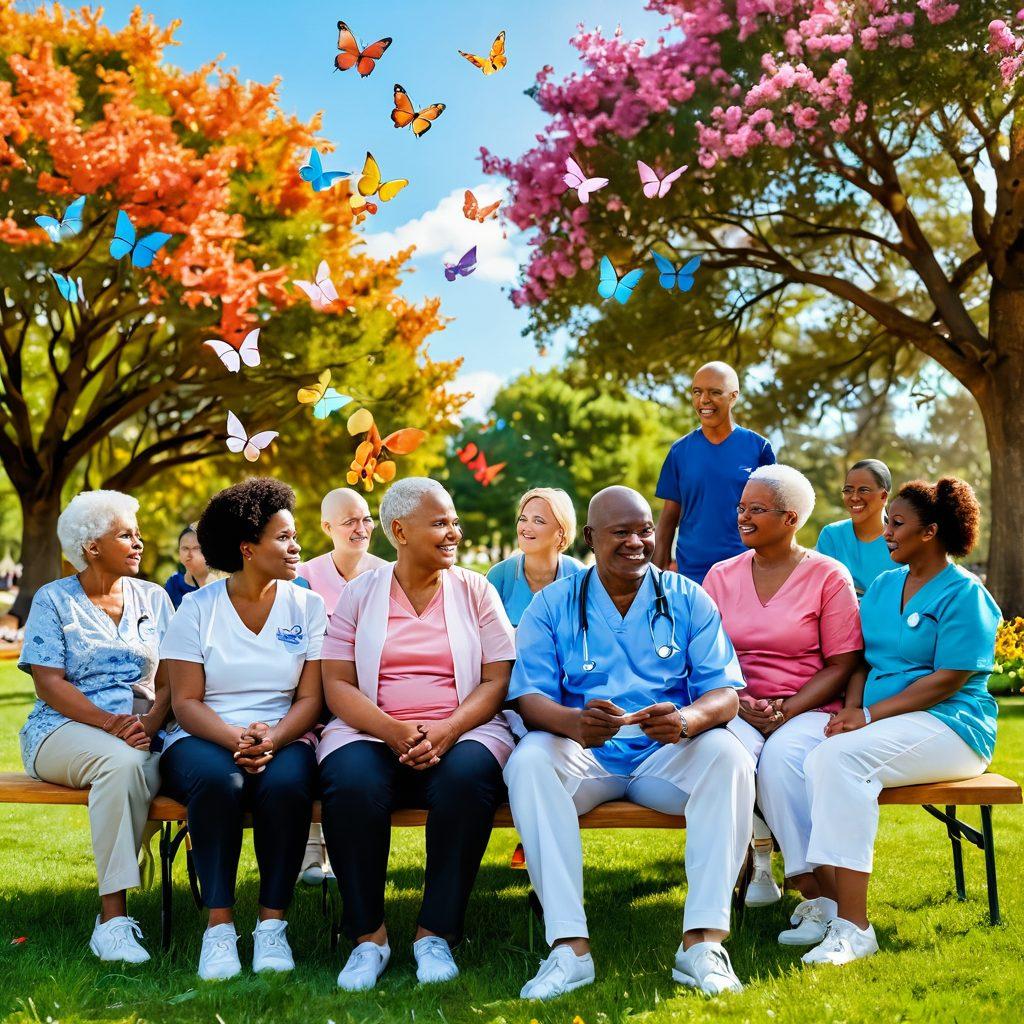
Engaging with cancer support groups can be transformative. These communities bring patients together to share stories, challenges, and victories. How uplifting is it to hear from a survivor who has traversed the same storm and emerged stronger? Their stories become parallel narratives, offering hope during bleak moments. Moreover, support groups often serve as a fountain of resources—many host events or provide information about clinical trials and ongoing medical research that may be relevant to you as an individual. The value of community support cannot be overstated; the resonance of shared experiences can propel you toward healthier lifestyle changes in pursuit of remission.
Ultimately, your journey from diagnosis to remission is not solely about grappling with cancer but also discovering the power of advocacy and education. Your voice can activate change within the healthcare space and promote cancer awareness in your community. As you become immersed in these resources, contemplate your role as a patient. Will your journey not only empower you but ignite a ripple effect, influencing those who will walk a similar path? Remember, remission is not the end; it's an ongoing journey of survivorship and hope where you can inspire others—because with each step you take, another life may be touched.